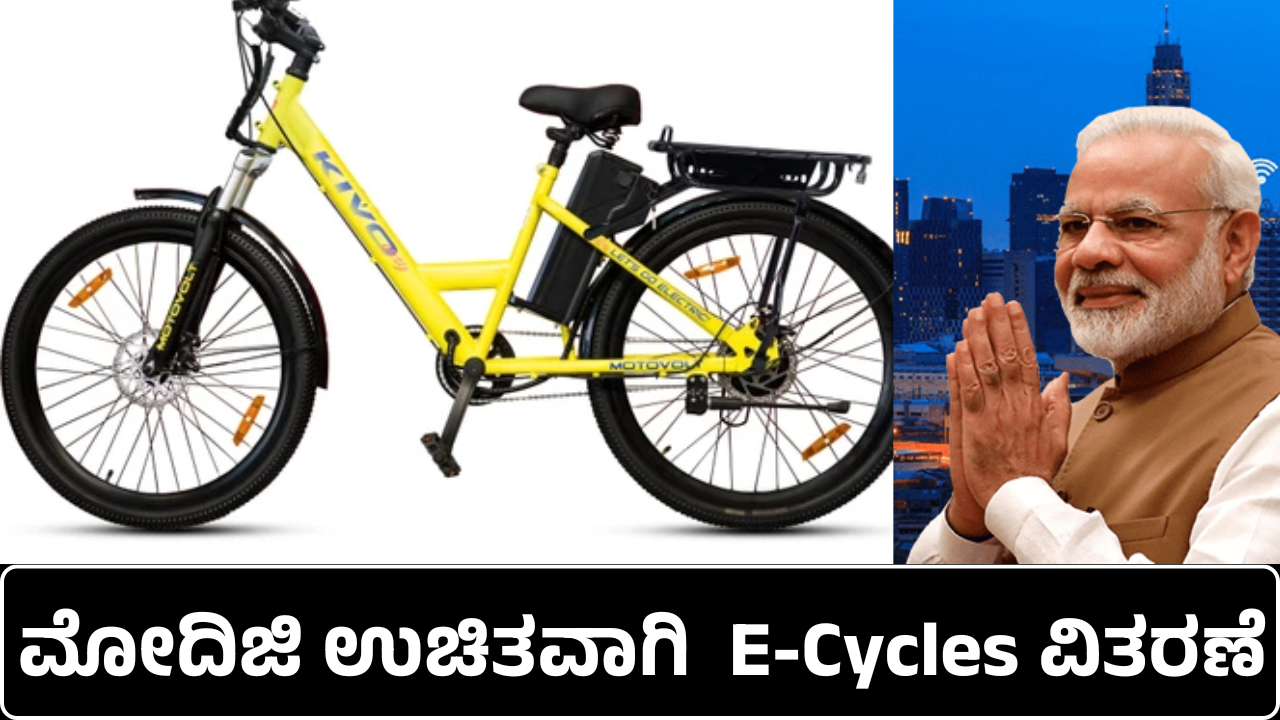
City life is changing fast — clogged roads, rising commute times, and growing pollution are pushing many to rethink their daily travel. Amid this turbulence, electric bicycles (or e-bikes) are quietly carving out a new path. These aren’t just “bicycles with a motor.” They offer a smarter blend of convenience, eco-awareness, and everyday practicality.
Cleaner, Greener, and Friendlier to the Planet
One of the biggest advantages of e-bikes is their environmental impact. Because e-bikes — unlike petrol vehicles — produce essentially no tailpipe emissions during operation, each ride helps reduce air pollution and greenhouse-gas emissions in busy urban areas.
Beyond emissions, e-bikes also help curb noise pollution. Without loud engines or honking, streets become calmer and more pleasant — a quality often overlooked but deeply felt after long commutes.
In cities like ours, where traffic and pollution are major daily grievances, switching to e-bikes isn’t just about ease of commute — it’s a small yet meaningful step toward a cleaner, healthier urban environment.
Cost-Effectiveness and Ease of Use
Owning and operating an e-bike can be much cheaper than owning a car or even a motorbike. There’s no petrol to buy, and maintenance tends to be simpler — fewer moving parts, no oil changes, and generally less wear and tear.
Charging the battery is usually easy and inexpensive, often via a standard household electrical outlet. This makes e-bikes a practical choice for people who want reliable transport without recurring fuel costs or complicated upkeep.
For many city-dwellers, especially those commuting to work, college, or daily errands, e-bikes strike that sweet spot of affordability + convenience.
🏃♂️ Health & Well-Being — Ride and Thrive
Unlike cars, riding an e-bike gives you more than just mobility; it invites movement. Even with pedal assist, you engage your muscles, get mild exercise, and boost cardiovascular health — making your daily ride part of a healthy routine.
Many who choose e-bikes find they start their day more energized, less stressed, and mentally sharper. The blend of fresh air, a bit of physical activity, and the mental clarity that comes from being outdoors — all contribute to better mental well-being.
In short: instead of sitting cramped in traffic or a bus, you get movement, sunshine, fresh air — and a ride that doubles as a mini workout.
⏱️ Convenient, Time-Saving, and Adaptive for City Life
Traffic jams are a constant headache in urban areas. E-bikes give you a way to sidestep traffic, often using bike lanes or smaller roads cars can’t access. Because you’re not waiting for fuel or stuck in gridlock, your commuting time can drop — giving you back precious minutes (or even hours) every week.
The “pedal-assist” feature makes e-bikes very versatile: hills, headwinds, or longer distances become manageable, even if you’re not super fit. That makes them a viable option for many kinds of riders — from daily office-goers to occasional riders.
And when you pair that with easy charging, low upkeep, and lower overall costs, e-bikes become more than just a bicycle — they become a daily-use mobility tool.
🚲 Inclusivity & Accessibility — For Many Lifestyle Needs
Because of pedal assistance and ease of use, e-bikes open up cycling to a broader audience. People who might not otherwise cycle — older adults, people with modest fitness, or those who find long distances challenging — can still enjoy bike commuting.
Even if the battery runs out, many e-bikes can still be pedalled like a regular bicycle — so you’re never completely stranded. This fallback is a nice safety net, especially in uncertain terrain or for unplanned battery drain.
For busy urban dwellers juggling multiple responsibilities, e-bikes offer mobility without demanding top fitness or large investments.
What Kind of Rider Benefits Most from E-Cycles
An e-cycle such as Motovolt Kivo Easy Lite — or similar urban-friendly e-bikes — tends to work best for:
- People living in congested cities who need a steady, reliable commute without depending on petrol or public transport.
- Those whose daily travel distances are moderate — e.g. commuting to work or college, running errands, or visiting neighbourhoods.
- Riders who want a balance of comfort, convenience, exercise, and eco-responsibility — but without the heavy power or high maintenance of motorbikes.
- Anyone who values cost-effectiveness, simplicity, and adaptability in day-to-day travel.
Reality Check: What E-Cycles Aren’t for — And When to Be Cautious
While e-bikes bring many advantages, they aren’t a silver bullet for every situation. For one — if you travel extremely long distances daily, rely on high speeds, or carry heavy loads, an e-bike’s assistance and battery range might feel limiting compared to cars or motorcycles.
Also: in cities where infrastructure (bike lanes, safe parking, clear regulations) isn’t yet widespread, riding an e-bike may still come with risks — traffic, theft, or lack of dedicated lanes can make things harder.
So while e-bikes are a powerful tool for urban mobility, they work best when paired with supportive infrastructure, responsible riding habits, and realistic expectations.
Final Thoughts: A Simple Shift, A Big Impact
Opting for an e-cycle isn’t just about upgrading a bicycle — it’s about embracing a smarter, cleaner, and more balanced lifestyle. For many city-dwellers, it’s a way to reclaim time, money, health, and sanity, all while doing something good for the environment.
If more people take this route, the cumulative effect could be transformative: less traffic, cleaner air, healthier citizens, and more space for community life.
If you like — I can tailor this article as a full blog-post with headings, SEO-friendly structure (good for sharing), and maybe even a short introduction/conclusion.
Do you want me to build that for you now?